


All About OCD and Treatment
What is OCD?
Obsessive-Compulsive Disorder (OCD) is a mental health condition that affects people of all ages and backgrounds. It involves feeling stuck in a loop of unwanted thoughts or images (obsessions) followed by repetitive behaviors or mental debating (compulsions) to stop or avoid thoughts or places that bring anxiety.
People with OCD often constantly feel things are “not quite feel right” and are frustrated compulsions lead anxiety to come back stronger.
OCD is not about being “a little OCD” or liking things tidy. It's a deeply distressing condition that can affect every area of life — from relationships and work to daily routines and self-esteem.
OCD can be misdiagnosed as Anxiety, Depression, Psychosis, or Codependency.
What Does OCD Feel Like?
-
Harm OCD
Living with Harm OCD feels like there is a threat at every corner, but you are afraid you are the threat is you.
-
Contamination OCD
Contamination OCD feels like walking through a world filled with invisible threats everywhere waiting to get you - germs.
-
Relationship OCD (ROCD)
ROCD feels like never being sure. Are you with the “right” one or not?
-
Sexual Orientation OCD (SO-OCD)
SO-OCD feels like your brain won’t stop questioning something that should feel natural. “Am I attracted to that person? Let me check.”
-
Pedophilia OCD (POCD)
POCD is one of the most distressing forms of OCD. People with this subtype often show up in my office worried they might be a peodophile.
-
Pure Obsessional OCD (Pure OCD): The Mental Compulsion Cycle
Pure O feels like being trapped in a loop of analyzing, reviewing, or mentally checking your thoughts to find relief.
Often Pure O looks like having a debate in your mind.
-
Existential OCD
Existential OCD feels like falling into an endless spiral of “What ifs.” What if nothing is real? What if life has no meaning? What if I don’t exist at all? These thoughts can feel profound and terrifying, pulling you into an intellectual tug-of-war where no answer feels satisfying.
-
Other
Most obsessive/compulsive loops (even if they are not on this slit) can be treated with my OCD treatment.
Each person’s journey is unique requiring unique treatment.
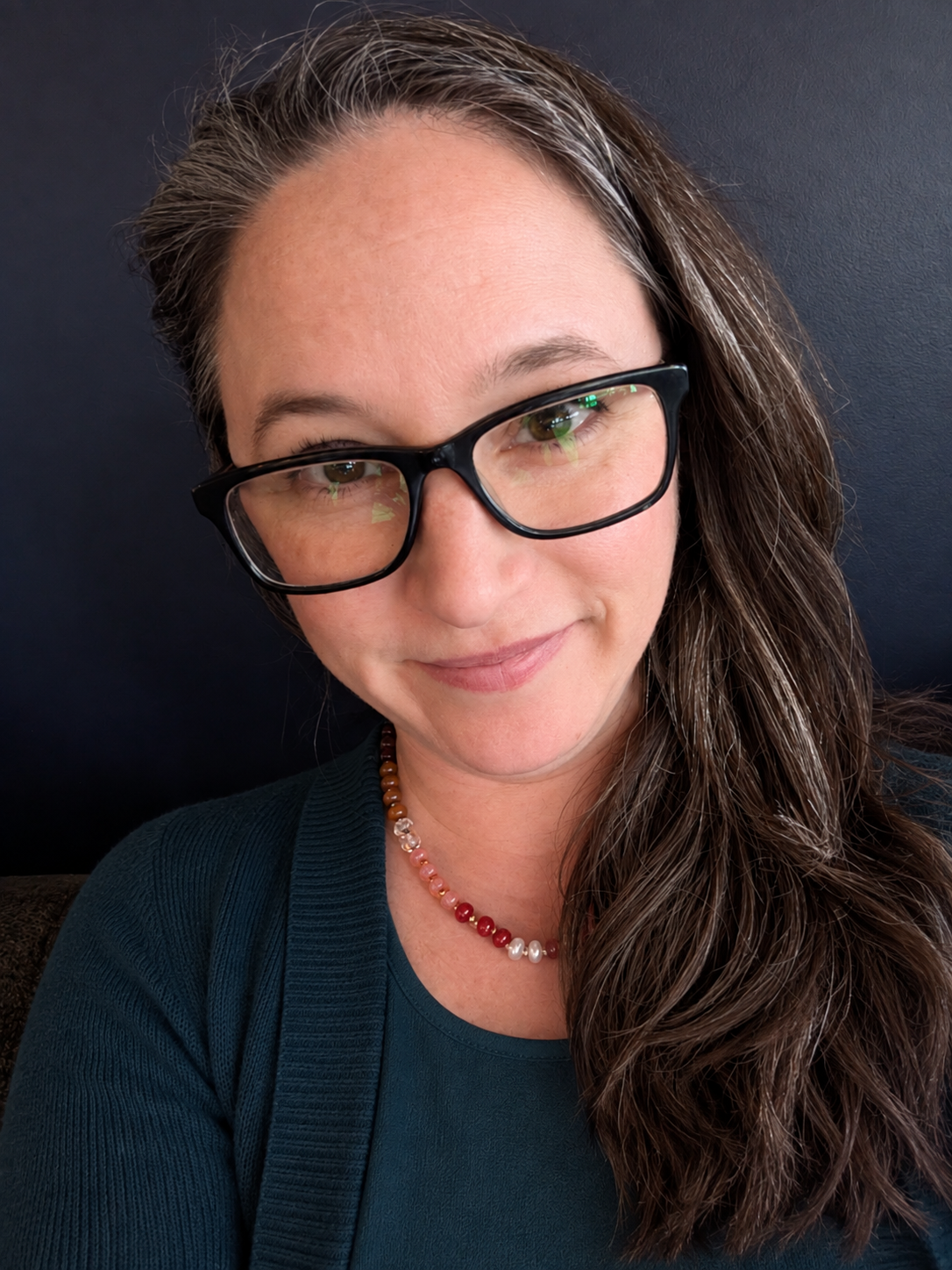
Amanda Woolums, MS, LMFT
Why Choose an OCD Specialist?
Expertise in Cutting Edge and Gold Standard Therapies Like IFS, ERP, & ACT.
(CBT is not the right treatment approach to OCD because it just keeps fueling the inner debate.)
Personalized Treatment: Every plan is tailored to your history, personality, and healing goals for maximum effectiveness and comfort.
Compassionate Care: Work with a specialist who understands OCD and treats every client with warmth, respect, and empathy.
Wholistic Healing: Our therapies aim to restore your sense of self, not just reduce symptoms.
What Sets Authentically Rooted Counseling Apart?
Unlike other counselors who offer general OCD treatment, my expertise is rooted in marital and family systems. I am committed to:
Root-Cause Exploration: While managing symptoms is important, true healing means uncovering what fuels OCD beneath the surface—unresolved emotions, old wounds, or relational patterns. You’ll learn to identify triggers, understand their origins, and transform your relationship with them.
Couple-Centered Healing: OCD can divide couples with secrecy, frustration, or misunderstanding. My approach restores connection by making both partners active participants in treatment. You’ll learn communication strategies, shared coping tools, and ways to support each other.
Customized Therapy Plans: Every couple receives a PDF and Print tailored plan to hang on your Refrigerator, based on your specific needs, history, and goals. Therapy is collaborative, transparent, and flexible—evolving with your progress.
Whole-Person Wellness: OCD touches every aspect of life. We address emotional, relational, and practical challenges—building resilience in every domain.
Unique, Integrated Approach

Your journey with OCD is unique, and so is your relationship. My practice goes beyond standard symptom management to address the underlying drivers of OCD, using evidence-based therapies tailored for individuals and couples.
Exposure and Response Prevention (ERP): The gold standard for OCD treatment, ERP gently and systematically helps you face your fears and resist compulsive behaviors. In couples therapy, ERP is adapted to explore how rituals and avoidance impact both partners, creating opportunities for shared healing and resilience.
Acceptance and Commitment Therapy (ACT): ACT fosters psychological flexibility—helping you and your partner accept difficult emotions and thoughts, while committing to values-driven action. Together, you’ll learn to move beyond OCD’s grip with compassion, clarity, and confidence.
Internal Family Systems (IFS) Therapy: IFS goes deeper. It helps identify and heal the systems that drives obsessive fears or compulsions, while also empowering you to recognize how these patterns play out within the relationship. Couples learn to support each other’s healing journeys, cultivating empathy and trust.
Your first session…
…will focus on understanding the role OCD plays in your life & relationship. We will clarify goals and creating a safe, supportive space for honest dialogue. We will also complete the Yale Brown Obsessive Compulsive Scale (YBOC).
In the second and third sessions…
…I will meet with each of you individually (if working as a couple) to understand your individual perspective of the relationship and your childhood experience in a nutshell. As an individual we will continue to map how OCD has impacted your life and relationships since your childhood. I want to understand which symptoms bother you most.
What to Expect
By the fourth session…
…we will all come back together and go over the comprehensive treatment plan and you will walk away with you own color copy complete with charts and pictures.
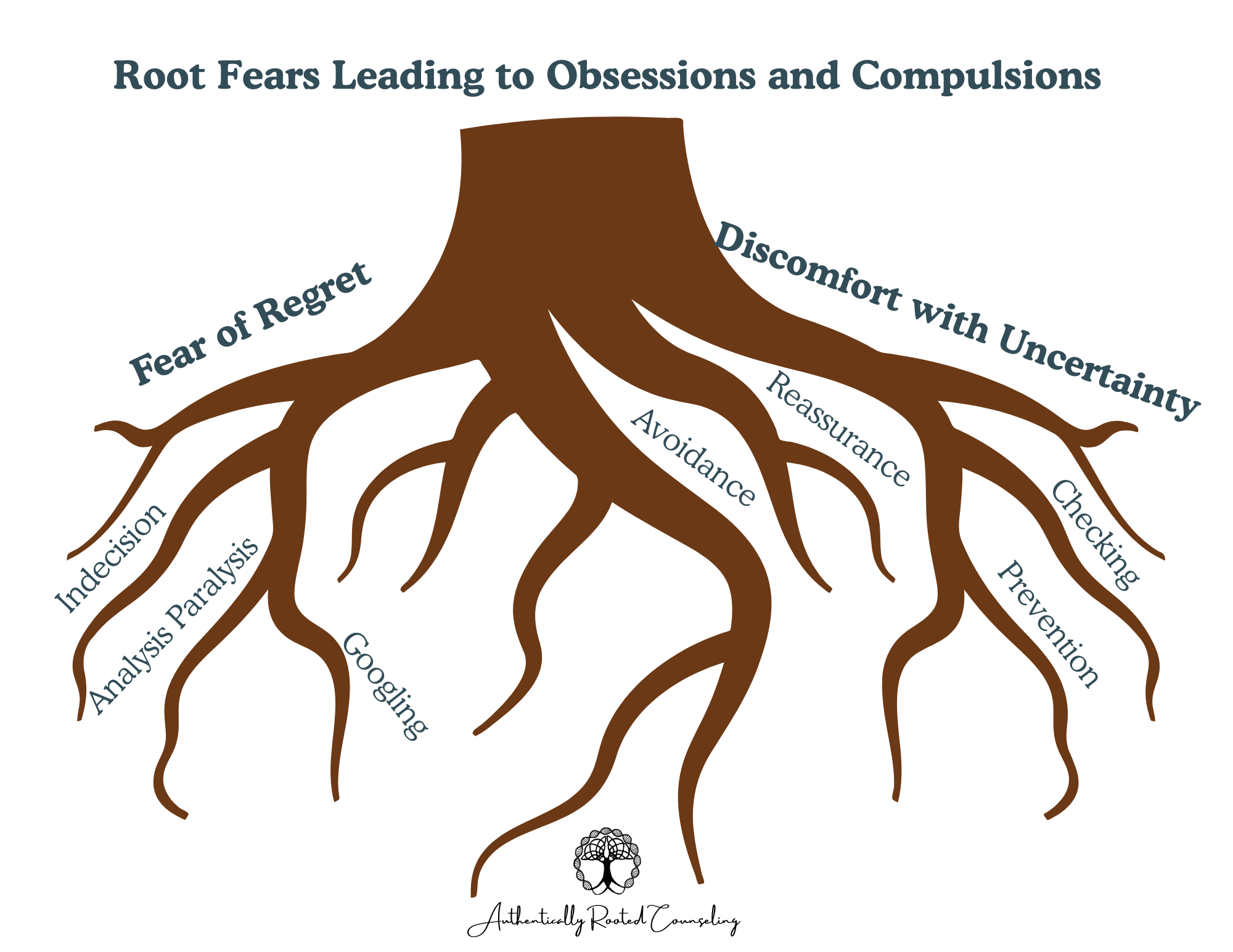


Treatment consists of a combination of ERP, ACT, and IFS exercises—always matched to your comfort level and readiness.
Therapy inclues:
Joint and individual sessions
Real-world ERP exercises for couples and Individuals
Values clarification and commitment planning
IFS mapping to discover and heal internal parts
Communication coaching and conflict resolution
Attachment Re-attuntment with OCD out of the way.
Homework and support between sessions
Access to resources, reading lists, and online support

Break Free of OCD:
Specialized OCD Treatment as Couples or IndividualCounseling
Is OCD driving a wedge between you and your partner? Do intrusive thoughts, compulsions, and anxiety feel overwhelming—not just for you, but for your relationship?
Welcome to a new path: comprehensive, Wholistic, OCD treatment for Individuals & Couples.